
Audi A5
audi a5 tyre size and cost
Carlist 360
17 June 2026
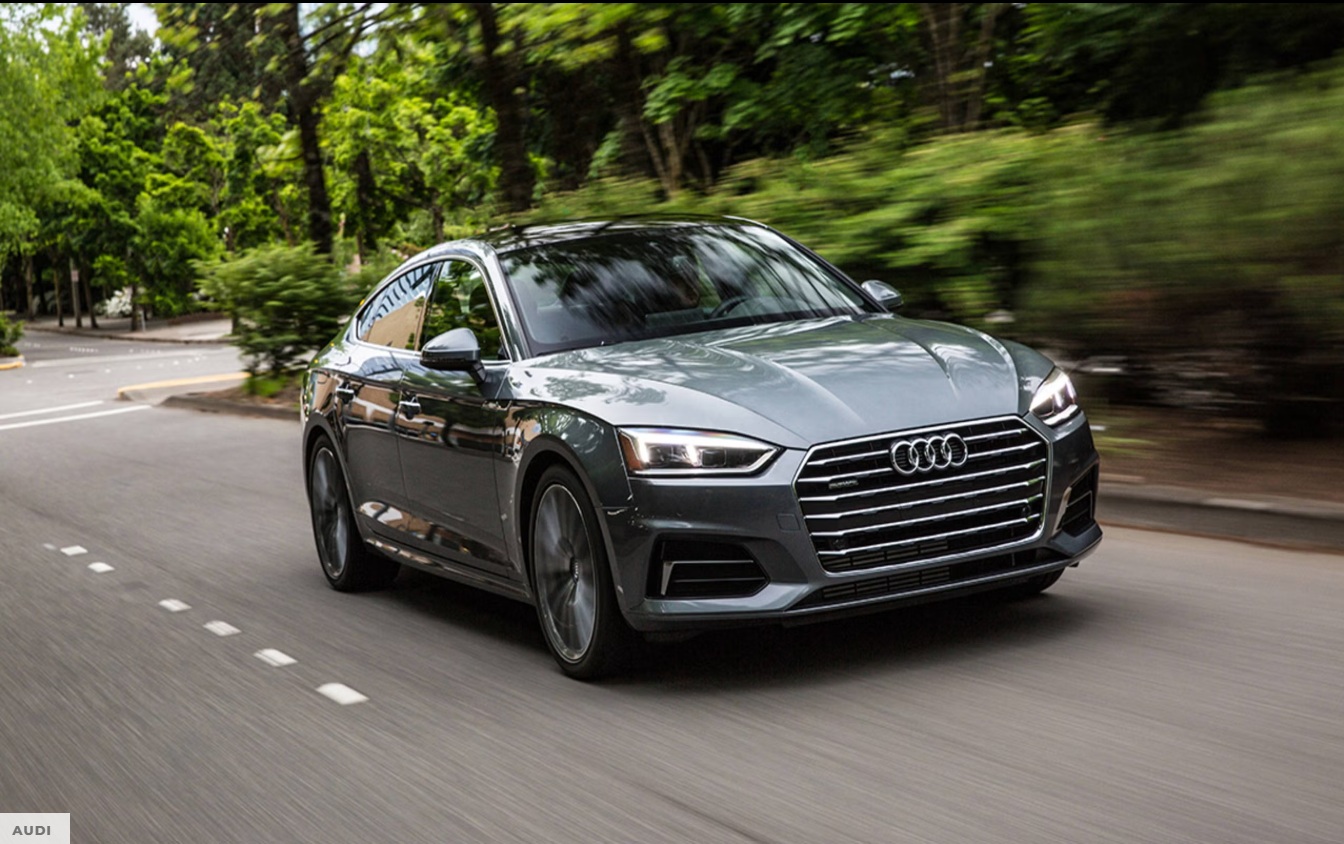
When upgrading your premium luxury coupe, convertible, or Sportback, understanding the exact configurations for the audi a5 tyre size and cost is essential to maintaining factory-spec ride quality, handling, and safety metrics. The Audi A5 is a highly engineered machine that relies heavily on its rubber compound to deliver power through the signature Quattro all-wheel-drive system. Choosing an incorrect size can distort speedometer readings, strain the drivetrain, and compromise emergency braking. Simultaneously, balancing the operational costs associated with premium tires ensures you get maximum tread life without overpaying. This comprehensive blueprint isolates these two core metrics to guide your next structural purchasing decision.
Navigating the replacement process requires a clear view of the structural dimensions and financial commitments involved. Audi utilizes several wheel diameters across the A5 trim hierarchy, ranging from basic daily commuting profiles to aggressive, low-profile performance options. Because tire dimensions scale up alongside wheel diameters, the overall cost tracks directly with the complexity of the size you require. In this guide, we dive deep into specific profile measurements, seasonal variations, brand tiers, and direct financial estimates so you can accurately plan your next service appointment with absolute confidence.
Understanding Your Specific audi a5 tyre size and cost Options
Every generation of the Audi A5 relies on an engineered set of dimensions that balance ride compliance with cornering stability. The standard configurations for the audi a5 tyre size and cost generally focus on three main wheel diameters: 18-inch, 19-inch, and occasionally 20-inch setups for high-performance packages. For the standard 18-inch wheels, the factory setup is usually a 245/40R18 configuration. This specific sizing provides a balanced aspect ratio, offering enough sidewall cushion to absorb road imperfections while maintaining crisp turn-in response. Financially, this base dimension is the most economical to replace, with premium entry-level variants starting around $180 to $240 per tire.
Moving up to the more popular 19-inch sport packages changes both dimensions and financial requirements significantly. The factory-recommended size for these larger wheels is typically 255/35R19. The wider tread patch improves lateral grip and traction under acceleration, but the lower aspect ratio decreases sidewall height, making the tire more susceptible to pothole damage. From a financial standpoint, a 19-inch fitment elevates the entry price point closer to $260 to $350 per tire. Understanding these distinct tier systems allows you to check your current sidewall markings and align them immediately with your upcoming maintenance budget.
How Wheel Diameters Impact the audi a5 tyre size and cost
The wheel diameter installed on your vehicle dictates the exact boundary lines for your audi a5 tyre size and cost considerations. Smaller wheels like the 18-inch factory variants accept tires with taller sidewalls, which require less specialized engineering to manufacture. Consequently, these sizes enjoy high production volume across all major brands, keeping retail prices lower. Owners running 245/40R18 setups benefit from a highly competitive marketplace where top-tier touring and all-season options remain affordable, dropping the total cost of ownership over the life of the vehicle.
Conversely, stepping up to a 19-inch or 20-inch rim alters the audi a5 tyre size and cost dynamic dramatically. Ultra-low-profile tires like the 255/35R19 require reinforced sidewalls (often marked as Extra Load or XL) to support the vehicle’s weight safely across a thinner cushion of air. This specialized internal construction, combined with lower mass production volumes, inherently raises the retail price. A complete set of four 19-inch high-performance tires can easily demand an investment between $1,000 and $1,400, establishing a direct structural link between large wheel aesthetics and heightened long-term replacement costs.
Breaking Down Trim Levels and audi a5 tyre size and cost Variations
The specific trim package of your vehicle—whether you drive a Premium, Premium Plus, or Prestige Sportback, Coupe, or Cabriolet—directly shifts the baseline audi a5 tyre size and cost equations. Base configurations frequently leave the factory on 18-inch wheels engineered for fuel efficiency and longevity. These standard packages allow owners to access dependable, long-lasting grand touring tires that minimize long-term expenses. The cost per mile stays low because these wider-profile compounds are built to deliver extended mileage warranties, often lasting up to 50,000 to 60,000 miles before needing replacement.
If your vehicle features the S-Line sport package or a higher-tier Prestige trim, the audi a5 tyre size and cost calculation demands a more premium approach. S-Line variants routinely deploy the wider 255/35R19 footprint coupled with summer performance or ultra-high-performance (UHP) all-season compounds. These tires use softer rubber mixtures optimized for maximum adhesion, which naturally shortens tread life while elevating replacement costs. For premium packages, expect to budget higher amounts more frequently, as these high-grip sport variations typically require replacement every 25,000 to 35,000 miles.
Seasonal Compound Effects on audi a5 tyre size and cost Factors
Climatic conditions dictate which rubber compound is safest for your car, creating another distinct variable within the audi a5 tyre size and cost matrix. All-season tires represent the baseline standard for most drivers, providing a balanced tread compound that remains pliable in moderate cold while resisting rapid wear during hot summer months. For an 18-inch wheel setup, a dependable all-season choice keeps individual tire replacement costs moderate while ensuring predictable performance across a wide temperature spectrum.
If you live in regions experiencing harsh winter weather, or if you prefer spirited summer driving, your audi a5 tyre size and cost will scale upward due to specialized seasonal compounds. Dedicated winter tires in sizes like 245/40R18 or 255/35R19 utilize high-silica rubber compounds designed to remain flexible below freezing temperatures. These specialized winter variants, along with dedicated ultra-high-performance summer options from premium brands, carry a price premium of 15% to 25% over baseline all-season options, making seasonal switching a more significant financial consideration.
Premium Brand Profiles and the audi a5 tyre size and cost Scale
Choosing a specific manufacturer plays a defining role in where your final bill lands on the audi a5 tyre size and cost spectrum. Flagship premium brands such as Michelin, Continental, and Pirelli engineer tires specifically tailored to match Audi’s rigid performance parameters. For instance, a Michelin Pilot Sport All Season 4 or a Continental ExtremeContact DWS06 Plus in a standard 245/40R18 size usually ranges from $210 to $260 per tire. These premium manufacturers invest heavily in compound research, delivering superior wet-weather stopping distances and refined cabin acoustics that preserve the vehicle's luxury driving dynamics.
Opting for mid-tier or value-focused manufacturers offers an alternative path to managing your overall audi a5 tyre size and cost obligations. Brands like Hankook, Yokohama, and General Tire supply excellent alternatives that closely mimic the capabilities of flagship compounds at a lower price point. A high-quality mid-tier tire in a 255/35R19 specification often costs between $170 and $220, allowing you to save several hundred dollars across a full set of four without severely compromising daily highway ride quality or dry pavement safety metrics.
Analyzing Hidden Expenses in audi a5 tyre size and cost Estimates
When budgeting for a new set of rubber, looking solely at the retail price tag presents an incomplete picture of the overall audi a5 tyre size and cost commitment. Professional installation adds a consistent layer of expense that must be accounted for during your calculation. Mounting, balancing, and replacing the valve stems generally runs between $20 and $50 per wheel depending on whether you utilize an independent specialist or an authorized dealership. Additionally, larger 19-inch and 20-inch low-profile tires require extra care during mounting to avoid scratching the alloy rims, which can sometimes attract premium labor charges.
Furthermore, protecting your investment requires an immediate four-wheel alignment check, which introduces another necessary component to the total audi a5 tyre size and cost ledger. The sophisticated multi-link suspension system on your vehicle must be perfectly aligned to ensure uniform tread wear across the wide 245mm or 255mm tire footprints. A precise tracking alignment usually adds $100 to $180 to the final invoice. Skipping this critical phase can cause a premium set of tires to develop irregular wear patterns within just a few thousand miles, effectively destroying your financial investment prematurely.
The True Cost of Run-Flat vs. Standard audi a5 tyre size and cost Options
Depending on your specific model year and original factory configuration, your vehicle may be equipped with run-flat technology, which directly reshapes the audi a5 tyre size and cost equation. Run-flat tires feature heavily reinforced sidewalls capable of supporting the vehicle’s weight even after a complete loss of inflation pressure. This specialized safety layer carries a substantial financial premium, with run-flat variants often costing 20% to 35% more than their conventional counterparts. A single 19-inch run-flat replacement can easily exceed $350, elevating the cost of a complete set significantly.
Switching from factory run-flats to standard tubeless options is a popular way to reduce your immediate audi a5 tyre size and cost burden while simultaneously improving overall ride comfort. Conventional tires offer a more flexible sidewall, which noticeably reduces harsh impacts over roadway expansion joints and rough surfaces. However, making this shift requires you to purchase an aftermarket tire inflator kit or a space-saver spare tire setup, since the vehicle does not feature a dedicated spare tire well. This initial hardware trade-off must be weighed against the lower recurring cost of standard replacements.
Long-Term Financial Planning for audi a5 tyre size and cost Management
Maximizing the mileage you extract from your chosen compound is the most effective method for controlling the recurring audi a5 tyre size and cost cycle over time. Regular tire rotations are absolutely paramount, especially for models equipped with the front-biased Quattro all-wheel-drive system. Rotating your tires every 5,000 to 7,500 miles ensures that the front steering tires and the rear tracking tires wear down at an identical rate, preserving neutral handling characteristics and preventing the need to replace tires in mismatched pairs.
Maintaining exact inflation pressures is equally critical to protecting your audi a5 tyre size and cost investment. Running your tires under-inflated causes excessive heat buildup and accelerates wear along the outer tread shoulders, while over-inflation balloons the center tread patch and reduces overall road grip. Checking your tire pressures monthly against the official specification sticker located on the driver’s side door jamb ensures your premium rubber wears evenly, maximizing tread life and deferring significant replacement expenses as far into the future as possible.
How Online Retailers Shape the audi a5 tyre size and cost Marketplace
Sourcing your replacements through digital marketplaces provides an excellent avenue to compare and optimize the audi a5 tyre size and cost equation. Large online distributors often maintain lower overhead expenses compared to traditional brick-and-mortar storefronts, allowing them to offer highly competitive pricing on premium brands like Michelin, Pirelli, and Bridgestone. Additionally, online platforms provide comprehensive access to consumer reviews and independent track test results, making it simple to evaluate whether a specific 245/40R18 or 255/35R19 compound satisfies your personal expectations for road noise and wet traction.
However, utilizing online channels requires careful coordination to accurately calculate your total audi a5 tyre size and cost expenditure. You must factor in local shipping charges, though many major distributors now offer free delivery directly to a certified local installation shop in your neighborhood. By balancing the online purchase price with your local shop's specific mounting, balancing, and disposal fees, you can reliably find the most cost-effective path to refreshing your vehicle's tires without running into unexpected service counter markups.
Summary of Expected Financial Ranges for audi a5 tyre size and cost Realities
To finalize your maintenance strategy, it helps to view the complete audi a5 tyre size and cost landscape across its primary operational categories. For standard 18-inch wheel configurations running a 245/40R18 footprint, entry-level budget compounds sit roughly between $130 and $160 per tire, mid-tier everyday choices occupy the $170 to $210 range, and top-tier luxury performance models settle between $220 and $280 per tire. This makes the 18-inch configuration highly manageable for drivers looking to preserve premium ride characteristics without incurring top-flight performance expenditures.
For enthusiast-focused 19-inch setups utilizing the wider 255/35R19 structural specification, the financial baseline shifts upward into premium enthusiast territory. Budget options in this category hover around $160 to $190, mid-tier grand touring compounds span from $200 to $260, and elite, factory-approved ultra-high-performance models from Michelin or Pirelli regularly command $270 to $360 per tire. By identifying your vehicle's specific wheel dimensions and aligning them with these clear commercial tiers, you can navigate the replacement process smoothly, keeping your luxury vehicle operating safely and efficiently.