
Audi A5
Audi A5 Suspension Type Explained: The Ultimate Ride and Handling Guide
Carlist 360
17 June 2026
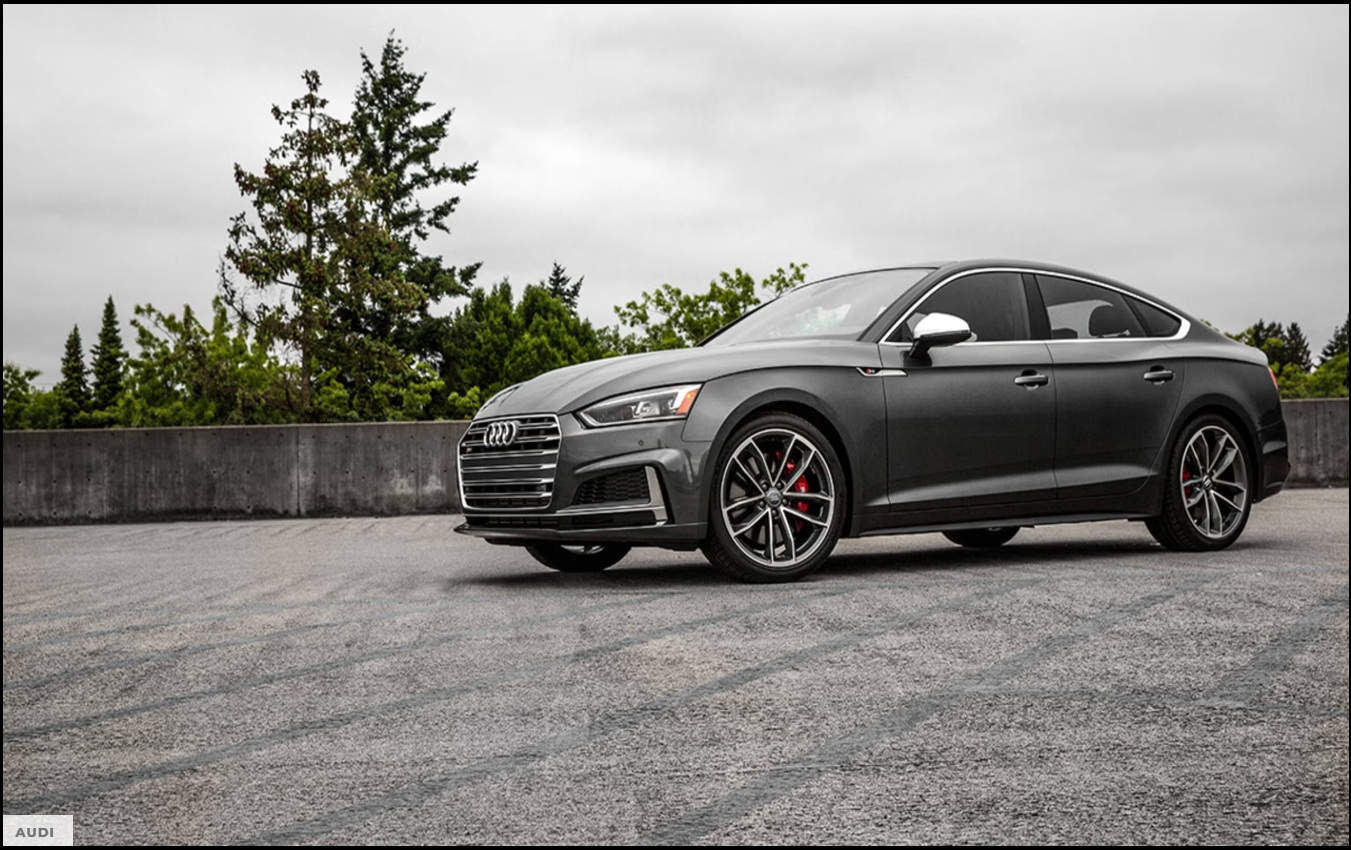
When evaluating a premium executive vehicle, the sophistication of its chassis engineering determines how effectively it handles sharp corners while insulating the cabin from road imperfections. Understanding the Audi A5 suspension type explained is crucial for drivers who appreciate a car that can adapt instantly to shifting road conditions. The suspension setup is the ultimate link between the car's rigid frame and the moving wheels, serving as the unsung hero behind Audi's signature balanced ride quality.
Audi does not cut corners with cheap or basic strut designs. Instead, the entire A5 lineup relies on high-grade independent architectures crafted heavily out of lightweight forged aluminum components. This specific material choice minimizes unsprung mass, allowing the wheels to track road contours with immense speed and precision. This comprehensive guide lifts the veil on the underlying technology, structural layouts, and optional upgrades, providing a complete breakdown of the Audi A5 suspension type explained across different trim tiers.
The Core Blueprint: Five-Link Front Audi A5 Suspension Type Explained
At the very front of the chassis layout sits the core foundation of the vehicle's sharp steering feel. To give you the exact Audi A5 suspension type explained, Audi utilizes a sophisticated independent five-link front suspension system paired with a hollow tubular anti-roll stabilizer bar.
Unlike regular commuter cars that use a basic MacPherson strut setup, the five-link independent design splits the upper and lower control arms into individual, separate links. This layout is critically important because it separates the longitudinal forces (like hitting a pothole) from the transverse lateral forces (like throwing the car into a sharp turn). By managing these opposing forces across five separate connection points, the front wheels maintain an optimal tire contact patch with the tarmac under heavy cornering loads.
The Rear Setup: Five-Link Independent Audi A5 Suspension Type Explained
Moving past the passenger cabin to the rear axle layout reveals a matching commitment to premium independent packaging. Analyzing the rear Audi A5 suspension type explained parameters shows that Audi replaced its older trapezoidal-link designs with a completely reworked independent five-link rear suspension assembly.
This five-link rear setup is completely insulated from the main body using specialized hydraulically damped subframe mounts. This design choice ensures that sharp vibrations from rough roads or sudden expansions joints are filtered out entirely before they can rattle into the interior cabin. Because each rear wheel can move completely independently without affecting the opposing side, the car tracks beautifully straight over rough tarmac, providing exceptional high-speed stability on open highways.
Material Engineering: Forged Aluminum Audi A5 Suspension Type Explained
Displacement and link geometry are heavily enhanced by the metallurgy used beneath the wheel arches. Looking into the structural materials of the Audi A5 suspension type explained, Audi heavily utilizes premium forged aluminum for all suspension control arms, pivot bearings, and damper stalks.
By swapping out traditional heavy steel components for forged aluminum, Audi engineers successfully shaved a significant amount of weight directly off the axle assemblies. Lowering the vehicle's unsprung mass means the shock absorbers and coil springs have less physical weight to control. The suspension can snap back into position instantly after compressing over a bump, delivering a crisp, athletic driving experience without forcing the ride to feel overly stiff or jarring.
Standard Comfort Tuning: The Everyday Audi A5 Suspension Type Explained
For the majority of mainstream buyers opting for the core premium trims, the standard suspension calibration prioritizes long-distance executive comfort. When evaluating this specific baseline Audi A5 suspension type explained, the traditional steel coil springs are paired with highly sensitive monotube gas shock absorbers.
This standard configuration is deliberately tuned with a slight bias toward a plush, forgiving ride. The internal valving within the monotube dampers is engineered to absorb low-speed city bumps, smooth out rough pavement textures, and prevent cabin float over highway undulations. It provides a relaxed, stress-free commuting experience that allows drivers to cover hundreds of miles effortlessly while still maintaining clean, predictable body control when a sudden twisty road appears.
Upgrading the Ride: Sport Suspension Audi A5 Suspension Type Explained
For drivers who prefer a much sharper, more aggressive connection to the road, stepping up to the S Line styling packages or sport trims alters the underlying components. Looking closely at the sport Audi A5 suspension type explained, this upgraded system drops the entire ride height of the vehicle by exactly 20 millimeters.
The S Line sport suspension features stiffer coil springs, heavy-duty anti-roll stabilizer bars, and firmer internal shock absorber valving. Dropping the car's body 20 mm lower to the ground effectively lowers its roll center and overall center of gravity. This mechanical change drastically reduces body lean through fast corners and eliminates nose-dive under hard braking, trading a tiny fraction of low-speed plushness for an immense boost in high-speed agility.
Advanced Technology: Adaptive Damper Audi A5 Suspension Type Explained
For buyers who refuse to compromise between plush executive comfort and track-ready stiffness, Audi offers an optional suspension with adaptive damper control. Analyzing this high-tech Audi A5 suspension type explained introduces specialized Continuous Damping Control (CDC) shock absorbers featuring internal electromagnetic valves.
The adaptive system relies on a network of sensors that constantly measure wheel movement, lateral body roll, and steering angles multiple times per second. A central electronic chassis control unit processes this data instantly, altering the oil flow inside each individual shock absorber within milliseconds. This means the car can stay incredibly soft and compliant while cruising down a rough highway lane, and then instantly stiffen up the dampers the millisecond you turn the steering wheel sharply into a tight mountain bend.
Customizing Performance: Audi Drive Select and the Suspension Type Explained
The integration of adaptive dampers completely transforms how the car interacts with the driver through the built-in Audi Drive Select menu system. When exploring this integrated software loop, the Audi A5 suspension type explained can be shifted across three distinct presets: Comfort, Auto, and Dynamic.
In Comfort mode, the electromagnetic valves stay wide open, maximizing fluid flow to absorb harsh urban road craters seamlessly. Flipping the toggle into Dynamic mode instantly tightens the valves, increasing resistance to create a firm, highly communicative platform that limits body roll to an absolute minimum. Auto mode acts as the intelligent middle ground, reading your real-time throttle and steering inputs to adjust chassis firmness dynamically on the fly.
High-Performance Domination: S5 Sport Audi A5 Suspension Type Explained
Stepping up to the high-performance Audi S5 variant means moving to a chassis built to handle immense power loads. Evaluating the S5 model’s Audi A5 suspension type explained highlights a standard, specially tuned S Sport adaptive suspension configuration paired with an electronic rear sport differential.
The S5's suspension architecture is optimized to keep all 362 horsepower glued firmly to the road. The spring rates are heavily uprated compared to standard models, and the electronic damper control mappings are calibrated for high-speed track stability. Working in perfect harmony with the quattro all-wheel-drive hardware, this heavy-duty suspension prevents the chassis from squatting under hard acceleration, maintaining a perfectly flat cornering attitude even when subjected to extreme lateral g-forces.
Supercar Dynamics: The Ultra-Capable RS5 Suspension Type Explained
At the absolute apex of Audi's handling pyramid sits the track-focused RS5 weapon. Looking deep into the specialized RS5 Audi A5 suspension type explained, this top-tier model utilizes an advanced twin-valve sport suspension setup paired with Dynamic Ride Control (DRC).
The DRC system completely eliminates traditional electronics in favor of a highly sophisticated, purely mechanical network. The diagonally opposing shock absorbers (front-left and rear-right) are linked together via central hydraulic lines and a specialized control valve. When cornering hard, the valve instantly restricts fluid flow to the outside shock absorber, drastically increasing support to neutralize body roll and pitch entirely without using a single computer chip, delivering pure supercar handling limits.
Real-World Benefits of the Multi-Link Audi A5 Suspension Type Explained
To truly appreciate the engineering behind the vehicle's underpinnings, it helps to look at the practical real-world benefits that the independent multi-link design provides daily. Because the Audi A5 suspension type explained avoids basic rigid or semi-independent trailing arms, the car completely isolates interior passengers from mid-corner bumps.
If you hit a sudden pothole or a rough patch of pavement right in the middle of a high-speed highway sweeping curve, the affected wheel compresses independently to absorb the impact without transferring that unsettling energy across the axle. The car stays locked onto its intended trajectory without stepping out line or forcing the driver to make nervous steering corrections, delivering a profound sense of security and premium mechanical refinement.
Conclusion: Engineering a Perfect Balance of Comfort and Athletic Agility
In conclusion, breaking down the comprehensive Audi A5 suspension type explained profiles demonstrates exactly why this vehicle remains a benchmark for executive ride quality. Whether your daily driving routine relies on the smooth, compliant absorption of the standard independent five-link layout, the sharp, low-slung response of the S Line sport suspension, or the boundary-pushing capabilities of the adaptive CDC and RS Dynamic Ride Control systems, Audi has engineered a chassis variant explicitly tailored to your lifestyle.
By combining lightweight forged aluminum metallurgy with complex multi-link geometries and lightning-fast hydraulic or electromagnetic damping technologies, Audi ensures that every single wheel operates at its absolute peak performance limit. This meticulous attention to chassis engineering guarantees that your Audi A5 will continuously deliver the perfect blend of luxurious comfort and sharp, athletic handling precision every single time you step behind the wheel.