
Audi A5
audi a5 petrol vs diesel comparison
Carlist 360
17 June 2026
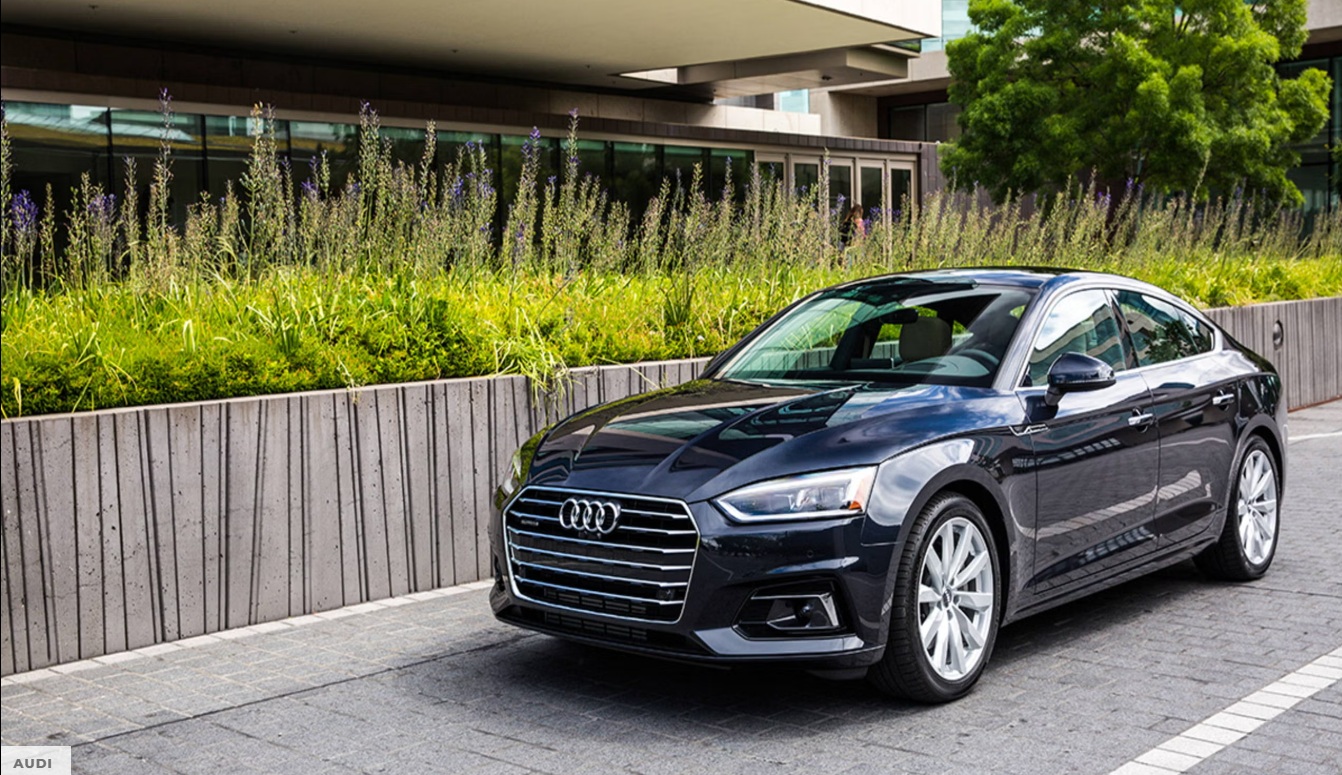
Choosing the ideal powertrain for your luxury vehicle requires a definitive assessment of the audi a5 petrol vs diesel comparison dynamics. Audi’s engineering philosophy splits its lineup into two distinct internal combustion strategies: the petrol-powered Turbo Fuel Stratified Injection (TFSI) variants and the diesel-powered Turbocharged Direct Injection (TDI) models. Each system employs identical forced-induction mechanics but applies them to fundamentally different fuel chemistry profiles. Deciding between a TFSI or TDI engine alters everything from your vehicle’s power delivery and exhaust notes to daily driving ranges and long-term ownership costs. This comprehensive structural evaluation breaks down these operational variants to help you select the exact configuration that aligns with your specific lifestyle demands.
Evaluating the performance and financial footprints of these two platforms is critical to securing long-term satisfaction. Petrol variants focus heavily on rev-happy, immediate throttle responses and refined, vibration-free highway cruising, appealing primarily to enthusiast drivers and short-distance urban commuters. Diesel variants focus strictly on maximizing thermal efficiency and deploying massive waves of low-end torque, serving as the benchmark choice for long-distance drivers and highway commuters. In this structural guide, we analyze engine mechanics, daily efficiency metrics, performance parameters, and maintenance intervals so you can execute an exact comparison.
Technical Foundations of the audi a5 petrol vs diesel comparison
The engineering core of the audi a5 petrol vs diesel comparison rests on how each fuel source generates energy within the cylinders. The petrol TFSI system combines high-pressure direct fuel injection with an exhaust-driven turbocharger, working to cool the internal combustion chamber while optimizing the precise fuel-to-air ratio. This setup allows the petrol variants to utilize a higher rev ceiling, spinning smoothly past 6,000 RPM to deliver a linear, sweeping progression of horsepower. The structural benefit of this design is an exceptionally quiet, vibration-free idle and a highly dynamic power band that responds instantly to aggressive driver inputs.
Conversely, the diesel TDI architecture relies on extreme compression-ignition principles to extract mechanical energy. Because diesel fuel contains higher energy density per gallon than standard petrol, the TDI engines operate at significantly higher compression ratios, squeezing the air inside the cylinders until it generates enough heat to ignite the fuel automatically upon injection. This compression-heavy design inherently limits the engine's RPM capacity, capping usable power at lower rev thresholds. However, it results in a highly robust internal construction that produces maximum thermal output, providing a totally different mechanical foundation centered around structural durability and structural efficiency.
Torque Delivery in the audi a5 petrol vs diesel comparison
The manner in which power is transferred to the pavement defines the core driving experience of the audi a5 petrol vs diesel comparison matrix. Diesel TDI configurations are world-renowned for their massive, instantaneous torque outputs available right from the lower end of the rev counter. A standard 2.0-litre TDI engine can easily generate up to 400 Nm of torque starting as low as 1,750 RPM. This low-end grunt gives the diesel A5 an incredibly effortless, authoritative feel when accelerating from a standstill or executing highway overtaking maneuvers, as the transmission rarely needs to downshift to find the engine's sweet spot.
Petrol TFSI variants manage torque across a completely different, wider operational spectrum. While modern Audi petrol engines utilize advanced twin-scroll turbochargers to minimize lag, a 2.0-litre TFSI variant typically delivers around 320 Nm of torque—slightly lower than its diesel counterpart. However, the petrol engine holds onto its torque and peak horsepower much further up the rev range, allowing for a more traditional, escalating sports car feel. If you prefer a car that pulls harder the more you accelerate, the petrol setup wins; if you prefer immediate, heavy pulling power at low speeds, the diesel takes the advantage.
Real-World Efficiency and the audi a5 petrol vs diesel comparison
Fuel economy represents the most prominent financial line item within the audi a5 petrol vs diesel comparison. Diesel TDI models consistently dominate pure mileage assessments due to their lean-burning compression characteristics and the higher chemical energy capacity of the fuel. On open highway stretches, an A5 TDI can easily achieve efficiency figures reaching up to 19.2 km/l (approximately 55 to 60 mpg), enabling an overall cruising range of over 1,000 kilometers on a single tank. This remarkable long-distance economy makes the diesel version an unrivaled tool for sales professionals and cross-country travelers.
The petrol TFSI platforms sacrifice top-tier mileage metrics in exchange for enhanced mechanical refinement and lower initial purchase costs. A standard petrol A5 generally posts real-world combined efficiency figures hovering around 13.57 km/l, translating to a driving range of roughly 780 kilometers per tank. While mild-hybrid (MHEV) updates have steadily closed this gap by recovering energy during braking, the petrol version still consumes noticeably more fuel during heavy city stop-and-go driving. Drivers must weigh their weekly mileage totals to determine if the diesel's efficiency advantage outweighs its higher fuel-pump prices.
Urban Driving Realities in the audi a5 petrol vs diesel comparison
Daily operating environments drastically alter the reliability track records within the audi a5 petrol vs diesel comparison. Petrol TFSI engines are perfectly optimized for modern urban environments characterized by short trips, frequent idling, and low-speed commuting. Because petrol engines heat up to their optimal operating temperatures much faster than diesels, they do not suffer mechanical degradation from brief journeys. A petrol engine can easily manage short runs to the supermarket or school without accumulating soot or straining its internal emissions-control components.
In stark contrast, operating a diesel TDI model exclusively within urban environments can lead to significant mechanical complications. Diesel engines utilize a Diesel Particulate Filter (DPF) to trap and burn off harmful soot emissions, a process that requires sustained, high-temperature highway driving to execute a "regeneration" cycle. If a TDI model is driven only on short city trips, the DPF cannot get hot enough to clear itself, leading to severe filter blockages,
dashboard warning lights, and emergency service visits. Therefore, urban city dwellers should almost always lean toward a petrol variant to avoid these specific lifestyle compatibility issues.
Maintenance Costs over the audi a5 petrol vs diesel comparison
Long-term ownership expenses diverge sharply when evaluating the complete audi a5 petrol vs diesel comparison lifecycle. Petrol TFSI engines feature a less complex exhaust aftertreatment system, resulting in predictable, lower-cost maintenance schedules over the initial 100,000 miles of operation. While they require routine spark plug replacements and strict adherence to synthetic oil changes to keep the turbocharger healthy, the parts are widely available, and the mechanical layouts are deeply familiar to both dealership technicians and independent European-car repair specialists.
Diesel TDI maintenance, while highly durable over massive distances, introduces specialized component risks that can inflate long-term repair invoices. Beyond standard oil and filter intervals, modern TDI models utilize complex selective catalytic reduction (SCR) systems that require regular refills of AdBlue fluid to neutralize nitrogen oxide emissions. Furthermore, as a diesel vehicle ages past the decade mark, components like the EGR (Exhaust Gas Recirculation) valves, high-pressure fuel injectors, and the DPF will eventually require replacement, introducing substantial component costs that can quickly diminish your accumulated fuel savings.
Cabin Refinement Metrics in the audi a5 petrol vs diesel comparison
The sensory experience inside the vehicle represents an essential battleground in the audi a5 petrol vs diesel comparison. Audi's petrol TFSI powerplants are engineered to deliver maximum acoustic isolation and luxury cabin refinement. At a stoplight, a petrol A5 is virtually silent, with zero mechanical vibrations filtering through the steering wheel or seat frames. Under hard acceleration, the engine produces a smooth, pleasing, high-frequency mechanical note that perfectly complements the premium, upscale nature of a luxury coupe or Sportback chassis.
Modern diesel TDI variants have made massive evolutionary leaps in noise suppression, but they still retain distinct acoustic characteristics. Thanks to advanced acoustic glass and dense firewall insulation, a TDI model remains whisper-quiet once settling into a steady highway cruise. However, during cold morning starts or low-speed urban acceleration, the classic mechanical diesel clatter remains faintly audible outside the cabin. For buyers who demand absolute silence and silky-smooth powertrain operation at all speeds, the petrol version sets a standard that compression-ignition engines simply cannot fully replicate.
Environmental and Emissions Impact on the audi a5 petrol vs diesel comparison
Evolving municipal regulations and environmental footprints add a critical compliance angle to the audi a5 petrol vs diesel comparison. Petrol TFSI vehicles inherently emit lower levels of nitrogen oxides (NOx) and particulate matter directly from the tailpipe, making them much less vulnerable to inner-city driving bans or emission-zone tax premiums. This long-term regulatory compliance provides excellent peace of mind for buyers living near major metropolitan centers that consistently enforce strict environmental boundaries.
Diesel TDI variants face a more scrutinized regulatory future despite their superior carbon dioxide ($CO_2$) efficiency metrics. Because diesels produce lower carbon dioxide emissions per mile due to their excellent fuel economy, they look highly competitive on broad greenhouse gas scorecards. However, their complex exhaust systems must work overtime to scrub out microscopic particulates and NOx gases. While modern Euro 6-compliant Audis utilize highly effective dual-dosing AdBlue systems to remain perfectly street-legal, buyers must remain mindful of shifting local legislation regarding diesel vehicles in specific global markets.
Resale Value Dynamics within the audi a5 petrol vs diesel comparison
Depreciation curves and secondary market demand heavily influence the overarching audi a5 petrol vs diesel comparison financial breakdown. Historically, diesel TDI models held an ironclad grasp on residual values in regions with high highway commuting habits, as second-hand buyers aggressively sought out the legendary durability and 1,000-kilometer range of the 2.0 TDI and 3.0 TDI engines. A well-maintained diesel Audi with a documented service history remains a highly liquid asset on the old car market, especially among long-distance commuters.
However, consumer preferences have shifted noticeably, lifting the resale profile of petrol TFSI variants to historic highs. As urban emission zones expand and public sentiment tilts away from diesel fuel, the demand for refined, city-friendly petrol models has surged. old car buyers actively seek out 2.0 TFSI variants for their worry-free urban operation and lower overall mechanical complexity. This leveling of the playing field means that choosing petrol no longer penalizes your future trade-in value, making the choice purely dependent on your actual driving habits rather than projected depreciation metrics.
Enthusiast Appeal and the audi a5 petrol vs diesel comparison
For drivers who view their vehicle as more than a basic appliance, the audi a5 petrol vs diesel comparison delivers two entirely distinct performance personalities. The petrol TFSI system serves as the baseline architecture for Audi’s performance division, directly spawning the engineering DNA found in the high-output S5 and RS5 variants. The quick engine response, willingness to chase the redline, and compatibility with quick-shifting dual-clutch S-tronic gearboxes make the petrol models highly engaging on twisting backroads, allowing the driver to precisely modulate power mid-corner.
The diesel TDI takes a more relaxed, grand-touring approach to performance driving. Instead of encouraging rapid gear changes and high-RPM maneuvers, the diesel trains you to ride its massive wave of low-end torque. It delivers an incredibly relaxed, confidence-inspiring high-speed cruise where the car feels completely unstrained at legal highway speeds. For cross-country endurance driving where the goal is covering hundreds of miles with minimal fatigue and fewer fuel stops, the TDI’s muscular, effortless power delivery creates an entirely different, highly satisfying premium experience.
Final Verdict Matrix for the audi a5 petrol vs diesel comparison
Concluding your analysis of the audi a5 petrol vs diesel comparison requires an honest assessment of your annual mileage and primary driving environments. If your driving profile consists of annual distances below 15,000 kilometers, routine city commuting, short school runs, and a preference for crisp, quiet mechanical refinement, the petrol TFSI variant stands out as the structurally correct choice. It avoids all potential emissions-hardware blockages, minimizes immediate maintenance risks, and delivers the dynamic driving experience expected of a premium sports executive car.
Conversely, if your lifestyle demands annual travel exceeding 20,000 kilometers, consisting primarily of sustained highway journeys, long-distance business trips, and heavy cargo hauling, the diesel TDI remains an unassailable engineering triumph. The massive savings unlocked by its superior fuel economy, coupled with the effortless nature of its low-end torque delivery, comfortably offsets its higher service complexity. By aligning your direct geographic requirements and weekly commuting habits with these clear engineering profiles, you can confidently select the perfect Audi A5 powertrain for your garage.