
Audi A5
audi a5 long term reliability review
Carlist 360
18 June 2026
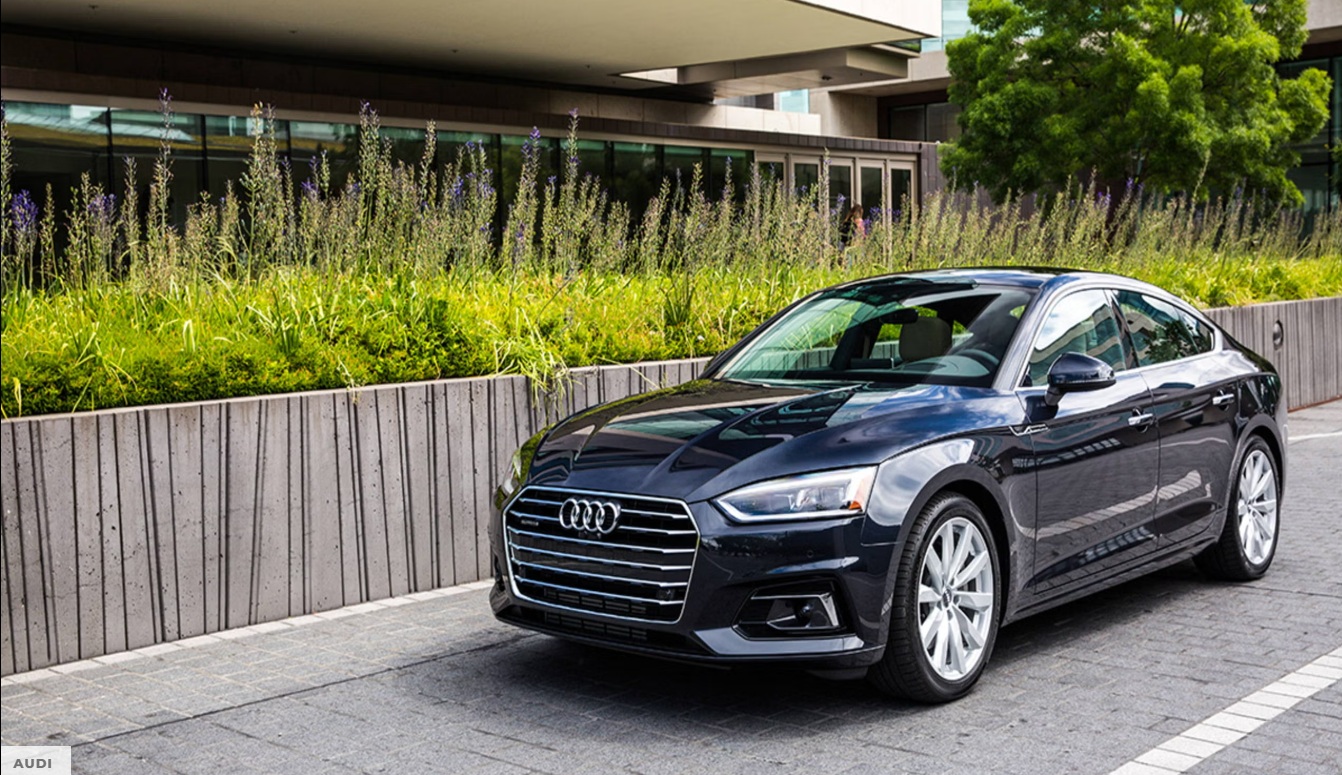
Investing in a premium executive vehicle involves looking far beyond initial aesthetic charm and short-term driving dynamics, transforming the audi a5 long term reliability review into an essential guide for prospective buyers tracking ownership costs. Assessing how this German machine ages over multiple years reveals a complex relationship between high-end performance calibration, complex engineering networks, and stringent maintenance demands. While the vehicle offers an undeniably refined highway experience and premium structural craftsmanship, its long-term lifecycle depends heavily on proactive ownership habits. This exhaustive mechanical breakdown evaluates the platform’s major mechanical components, electrical networks, and structural health over extended mileage, highlighting exactly how the vehicle transforms from a showroom showcase into a long-haul companion.
Engine Structural Integrity in the audi a5 long term reliability review
The absolute foundational element of the audi a5 long term reliability review centers on its powertrain endurance under continuous, multi-year thermal stress. The widely deployed 2.0-liter turbocharged four-cylinder engine platform showcases excellent structural rigidity in its engine block casting, yet specific internal wear items demand careful long-term tracking.
Earlier design generations faced notable oil control vulnerabilities due to specific piston ring configurations, resulting in progressive oil consumption over time that required vigilant physical fluid monitoring between scheduled service points. Newer engine iterations have substantially optimized internal oil management, but high-mileage examples still demand close tracking of the timing chain tensioner system. If the internal hydraulic tensioner begins losing pressure as the vehicle ages, the timing chain can stretch out of specification, leading to rough idling, top-end rattling noises, and severe mechanical failure risks if overlooked.
Forced Induction Durability in the audi a5 long term reliability review
Evaluating forced induction hardware is a critical subcategory within this audi a5 long term reliability review, as the vehicle relies heavily on turbocharging to achieve its balanced performance output. The factory turbocharger is built to withstand immense rotational speeds and searing exhaust gas temperatures, but its long-term health is fundamentally tied to oil purity.
As mileage climbs past the threshold, the specialized bearings inside the turbo housing can suffer from micro-abrasions if oil changes have been delayed or if low-grade lubricants were utilized. Signs of progressive forced induction fatigue typically manifest as subtle whistling noises under hard acceleration, increased tailpipe vapor on cold starts, or localized oil weeping around the charge pipe connections. Ensuring a dedicated cool-down period after high-speed driving sessions preserves the turbocharger's internal oil supply, preventing oil coking and ensuring the system reaches a mature age without requiring expensive housing replacements.
Transmission Lifecycle Health in the audi a5 long term reliability review
Power management over time remains a pivotal discussion point for the audi a5 long term reliability review, primarily focusing on the dual-clutch transmission architecture. Known as the S tronic system, this advanced dual-clutch configuration offers blistering gear changes and exceptional highway efficiency, but its long-term operation demands strict adherence to mechanical fluid service intervals.
When tracking high-mileage units, the internal mechatronic control unit—which manages hydraulic gear selection—can develop internal electronic solenoids glitches if metallic microscopic particles accumulate in the fluid. This deterioration reveals itself through jerky low-speed engagement, delayed reverse gear selection, or sudden shuddering when navigating stop-and-go urban traffic patterns. Conversely, standard manual gearboxes present in select global variants display superb physical durability, though aggressive driving styles can naturally accelerate friction plate wear, necessitating typical mid-lifecycle clutch replacements to maintain power delivery.
Thermal Control Deficiencies in the audi a5 long term reliability review
Cooling infrastructure vulnerabilities constitute a critical chapter within the audi a5 long term reliability review, representing a frequent source of unscheduled service visits for aging platforms. The primary cooling assembly heavily utilizes high-strength composite plastic modules for the water pump housing and integrated thermostat assembly, structures that are continuously exposed to severe thermal cycling.
Over multiple years of ownership, these composite plastics can grow brittle under the hood, leading to microscopic hairline fractures that trigger gradual coolant drops. Owners often notice subtle pink crusting around the lower engine shield or detect a distinct sweet aroma of burning coolant after parking. Because modern aluminum engine heads possess very low tolerance for severe thermal spikes, addressing these minor water pump weeping indicators early is paramount to preventing total engine overheating scenarios.
Advanced Electrical Infrastructure in the audi a5 long term reliability review
Modern premium vehicles are defined by their electronic capabilities, making on-board networks a highly scrutinized area of the audi a5 long term reliability review. The vehicle utilizes an expansive controller area network to manage everything from active safety sensors to comfort modules, creating a highly sensitive electrical ecosystem.
As the primary battery ages and drops below its optimal voltage threshold, the on-board computers can misinterpret minor voltage drops as hardware failures, triggering a cascade of intermittent dashboard warning lights that often vanish upon a vehicle restart. Furthermore, the specialized radar modules and cameras responsible for adaptive cruising and lane assistance are mounted in vulnerable exterior zones, meaning minor bumper impacts or winter road salt accumulation can disrupt sensor calibration, necessitating professional diagnostic realignment.
Infotainment Software Longevity in the audi a5 long term reliability review
The central user interface serves as the cabin's command center, making system uptime a core component of the audi a5 long term reliability review. The proprietary multi-media interface manages communication, media, and primary vehicle settings, functioning smoothly during the initial years of operation but presenting occasional stability glitches as the platform matures.
Long-term logs indicate that the center display screen can occasionally suffer from localized freezing, Bluetooth dropouts, or failure to initialize upon cold vehicle starts, issues that frequently track back to outdated software firmware or internal hard drive sector fragmentation. Ensuring the system receives authorized over-the-air or dealership software patches is the most effective method for maintaining UI responsiveness, preventing the costly necessity of replacing complete physical dash control modules down the line.
Suspension and Bushing Fatigue in the audi a5 long term reliability review
The chassis must maintain its poise over hundreds of thousands of road impacts, shifting our audi a5 long term reliability review toward the underbody suspension architecture. The vehicle utilizes an advanced multi-link front suspension layout designed to deliver sharp steering responses, but this dynamic handling comes at the expense of accelerated rubber bushing wear.
The heavy control arm bushings absorb the brunt of road vibrations, and as the rubber compounds naturally dry out and crack over years of service, drivers will notice distinct clunking or creaking sounds when clearing speed bumps or navigating sharp transitions. Additionally, the complex wheel bearing assemblies can develop internal race pitting on vehicles frequently driven over frost-heaved roadways, producing a progressive drone at highway speeds that requires prompt hub replacement to maintain optimal tire wear and safety metrics.
Exhaust Mitigation System Lifespan in the audi a5 long term reliability review
Emission controls represent an increasingly vital component of modern vehicle longevity, forcing a closer look into this segment of the audi a5 long term reliability review. The exhaust system features sophisticated filtration networks designed to neutralize harmful particulates, including diesel particulate filters on global variants and advanced catalytic converters on petrol models.
For vehicles predominantly driven on short, low-speed urban commutes, these filtration elements can struggle to reach the necessary internal temperatures required to self-clean or regenerate. Over extended periods, soot or carbon accumulation can trigger exhaust backpressure warnings, causing the vehicle to enter a restricted performance mode to protect internal sensors. Committing to regular, extended highway drives allows the exhaust infrastructure to complete its thermal clearing cycles, significantly extending the operational lifespan of these expensive emissions components.
Body Assembly and Seal Integrity in the audi a5 long term reliability review
Structural sealing against environmental elements represents an often-overlooked dimension of the audi a5 long term reliability review, especially across the unique body styles offered in this lineup. Models featuring frameless side glass panels rely entirely on complex rubber weatherstripping profiles to maintain a watertight and wind-resistant seal against the roofline assembly.
As these rubber seals endure continuous solar radiation and freezing winter cycles, they can shrink or lose their original elasticity, allowing subtle wind whistling to enter the cabin at highway speeds or permitting moisture ingress during intense high-pressure washes. Furthermore, variants equipped with panoramic glass openings feature dedicated internal drainage channels routed down through the structural pillars; keeping these drain paths free of organic debris like pine needles is absolutely critical to preventing cabin dampness.
Preventive Maintenance Protocols and Verdict in the audi a5 long term reliability review
Concluding this extensive audi a5 long term reliability review requires synthesizing the platform's mechanical trends into a definitive ownership roadmap. The data demonstrates that this premium executive vehicle is not a machine that tolerates deferred or generic maintenance strategies; it demands specialized lubricants, precise fluid specifications, and timely component updates.
When owners closely follow the factory-prescribed service timelines—such as flushing transmission fluids every forty thousand miles and proactively replacing the composite water pump assembly before complete degradation—the platform rewardingly delivers exceptional mechanical endurance. Ultimately, while the vehicle presents higher baseline running costs and more sensitive electrical dependencies than standard mainstream transport options, its robust core engine structures and stellar build quality validate it as a highly reliable long-term luxury asset for disciplined owners.