

Brand
Mclaren Cars
McLaren Cars is a renowned British automotive manufacturer known for producing high-performance sports and supercars. Combining advanced engineering, innovative technology, and striking design, McLaren creates vehicles built for speed and precision. Its cars offer exceptional driving experiences, making the brand a symbol of luxury, performance, and automotive excellence worldwide.
Line-up
Mclaren car models
Body type
Mclaren cars by segment
At a glance
Key highlights of Mclaren cars
Pricing
All Mclaren car prices in India
| Model | Ex-Showroom Price | |
|---|---|---|
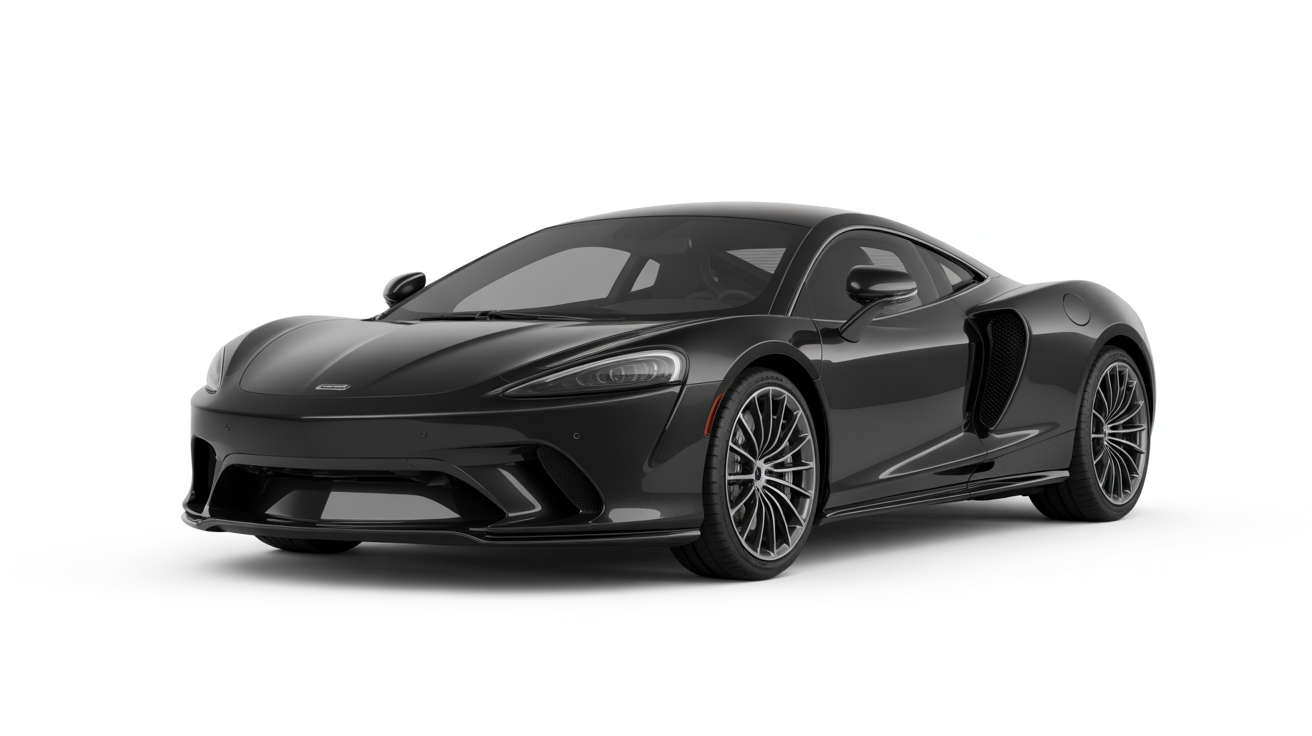
| Mclaren Gt | ₹3.72 Cr – ₹3.72 Cr* | On-road price → |
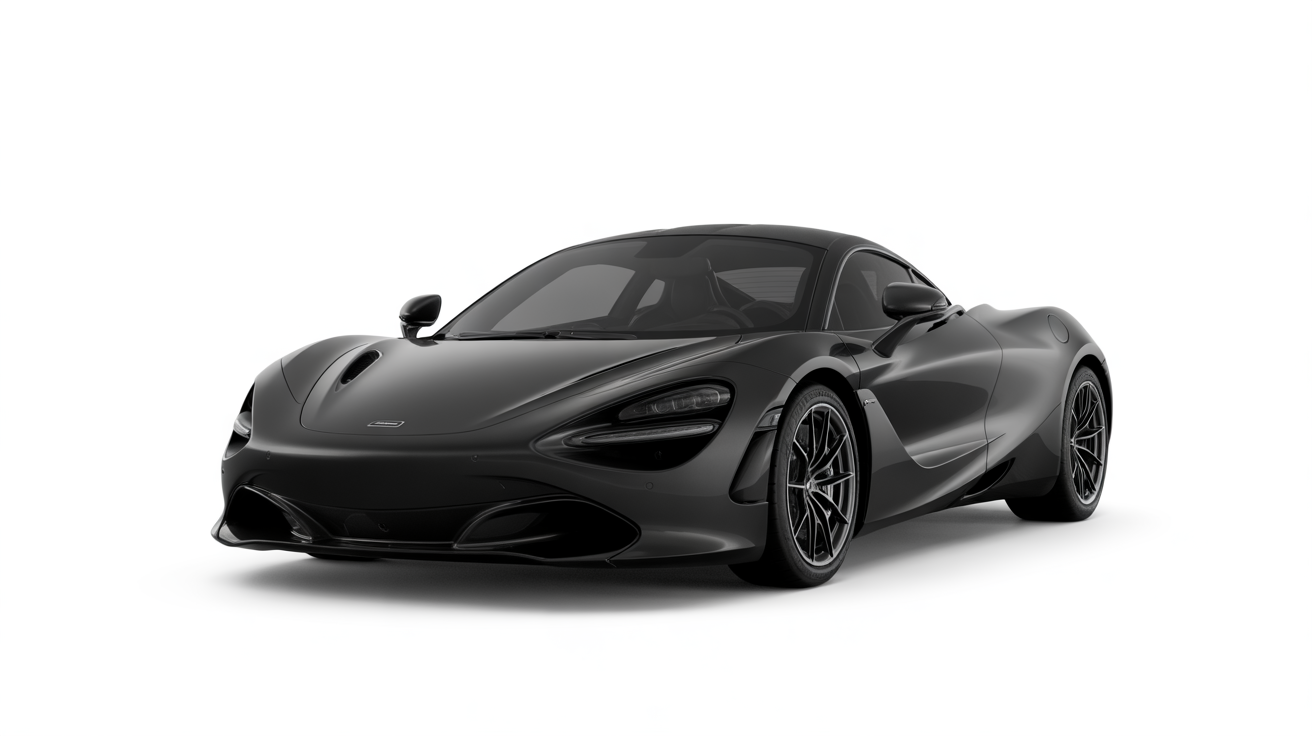
| Mclaren 720s | ₹4.65 Cr – ₹5.04 Cr* | On-road price → |
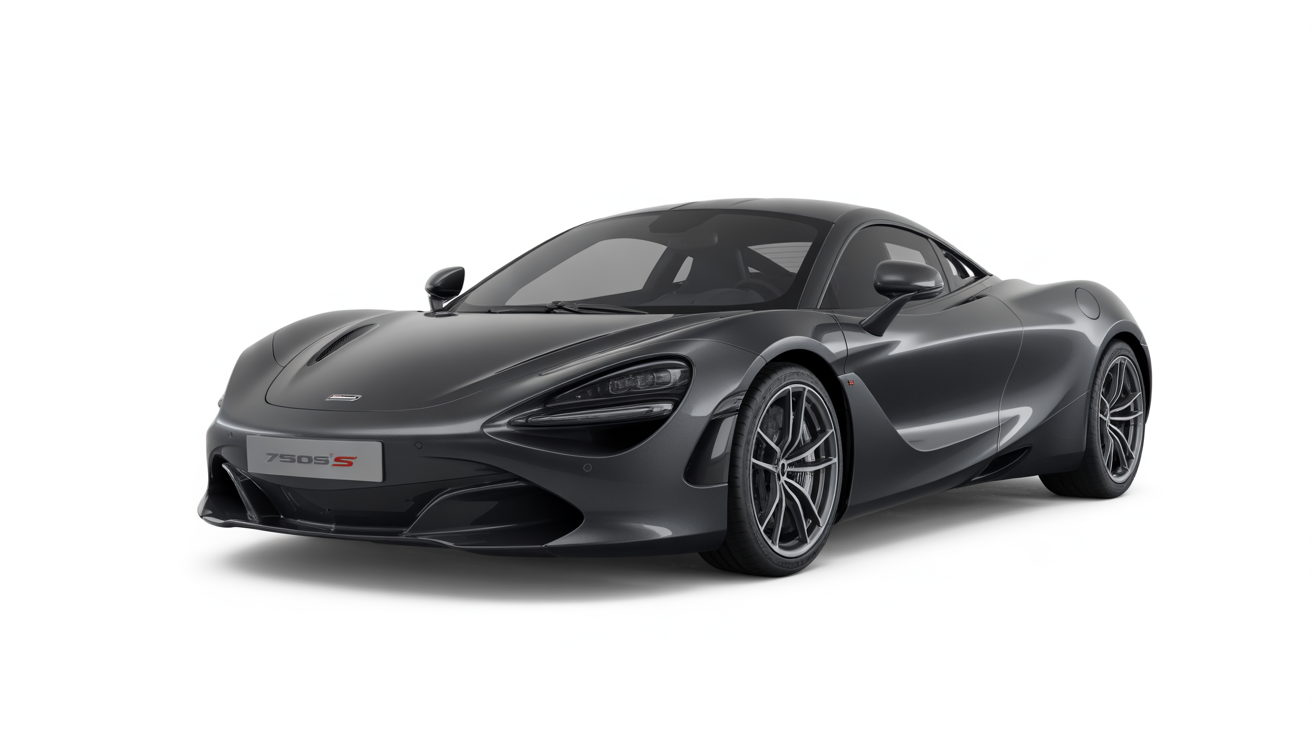
| Mclaren 750s | ₹5.91 Cr – ₹5.91 Cr* | On-road price → |
McLaren Cars in India
McLaren cars in India are known for their striking design, motorsport-inspired engineering and thrilling performance. The British marque currently offers two coupe models in the country, catering to buyers seeking exclusivity and supercar-level performance. In August 2026, McLaren car prices in India start at ₹4.50 Crore for the GT and go up to ₹5.91 Crore for the 750S.
McLaren Cars Price List in India
*Prices are indicative and may vary based on variant, optional features, taxes and location.
The McLaren GT is the entry point to the brand's current Indian lineup. It combines McLaren's performance-oriented engineering with the comfort and practicality expected from a grand tourer. Its distinctive styling, powerful performance and premium cabin make it suitable for both spirited driving and long-distance journeys.
The McLaren GT is priced at ₹4.50 Crore ex-showroom, making it the cheapest McLaren car currently available in India.
The McLaren 750S is designed with a stronger focus on outright performance and driver engagement. It features an aggressive aerodynamic design, lightweight construction and advanced chassis technology derived from McLaren's extensive motorsport experience.
With a price of ₹5.91 Crore ex-showroom, the 750S is currently the most expensive McLaren model available in India.
McLaren's history is closely linked to motorsport and its founder, Bruce McLaren. The New Zealand-born racing driver established Bruce McLaren Motor Racing in 1963 after gaining experience as a Formula 1 driver.
The company initially focused on developing and competing with racing cars. In 1964, McLaren introduced the M1A, its first purpose-built race car. This marked the beginning of a long journey that would establish McLaren as one of the most recognised names in international motorsport.
Formula 1 remains an important part of McLaren's identity. Decades of racing experience have contributed to the development of technologies used in its road cars.
McLaren's motorsport background can be seen in its approach to aerodynamics, weight reduction, chassis development and performance engineering. These characteristics have helped the brand build a reputation for producing highly focused performance cars.
McLaren expanded into road-car production with the launch of the legendary McLaren F1 in 1992. Designed by Gordon Murray, the F1 became one of the most celebrated supercars in automotive history.
Over the years, McLaren introduced several notable models, including the MP4-12C, P1, 650S, 570S, 720S and Senna. These cars helped establish McLaren Automotive as a major manufacturer in the global supercar segment.
In 2010, McLaren Cars was renamed McLaren Automotive, marking a new phase in the company's road-car operations.
McLaren Cars in India
McLaren entered the Indian market in June 2021, initially introducing models such as the GT, 720S Coupe and 720S Spider.
The company partnered with Infinity Cars for sales and service operations in India. McLaren caters to a niche luxury-car market, offering buyers access to exclusive British performance cars and supercars.
McLaren Engineering and Technology
McLaren's road cars benefit from technology and expertise developed through years of motorsport competition. The brand places particular emphasis on lightweight construction, aerodynamic efficiency, high-performance powertrains and advanced chassis technology.
The McLaren Technology Centre in Woking, Surrey, is an important part of the company's engineering and development operations.
FAQs