Brand
Byd Cars
Citroen currently offers 5 car models in India, including 2 hatchbacks and 3 SUVs, with prices ranging from ₹4.99 lakh to ₹37.32 lakh (ex-showroom). The lineup includes the C3 X, Aircross X, Basalt X, C5 Aircross and e-C3 X, offering buyers options across petrol and electric segments. The C3 X is the most affordable model, while the C5 Aircross sits at the top of the range.
Line-up
Byd car models
Body type
Byd cars by segment
At a glance
Key highlights of Byd cars
Pricing
All Byd car prices in India
| Model | Ex-Showroom Price | |
|---|---|---|
| Byd Atto 3 | ₹24.99 L – ₹33.99 L* | On-road price → |
| Byd Emax 7 | ₹26.90 L – ₹29.90 L* | On-road price → |
| Byd Seal | ₹41.00 L – ₹53.15 L* | On-road price → |
| Byd Sealion 7 | ₹48.90 L – ₹54.90 L* | On-road price → |
BYD Cars in India
BYD cars in India have strengthened the electric vehicle market with a mix of modern design, advanced technology and practical electric mobility. The company currently offers SUVs, a sedan and an electric MPV in India. In August 2026, BYD car prices start at ₹24.99 Lakh for the Atto 3 and go up to ₹55.90 Lakh for the Sealion 7, ex-showroom.
BYD Cars Price in India
BYD currently has 4 car models available in India, comprising 2 SUVs, 1 sedan and 1 MUV/MPV. All four models are electric vehicles, giving buyers options across different body styles and price points.
The BYD price range in India starts at ₹24.99 Lakh and extends to ₹55.90 Lakh ex-showroom.
BYD Model
BYD Atto 3
BYD eMAX 7
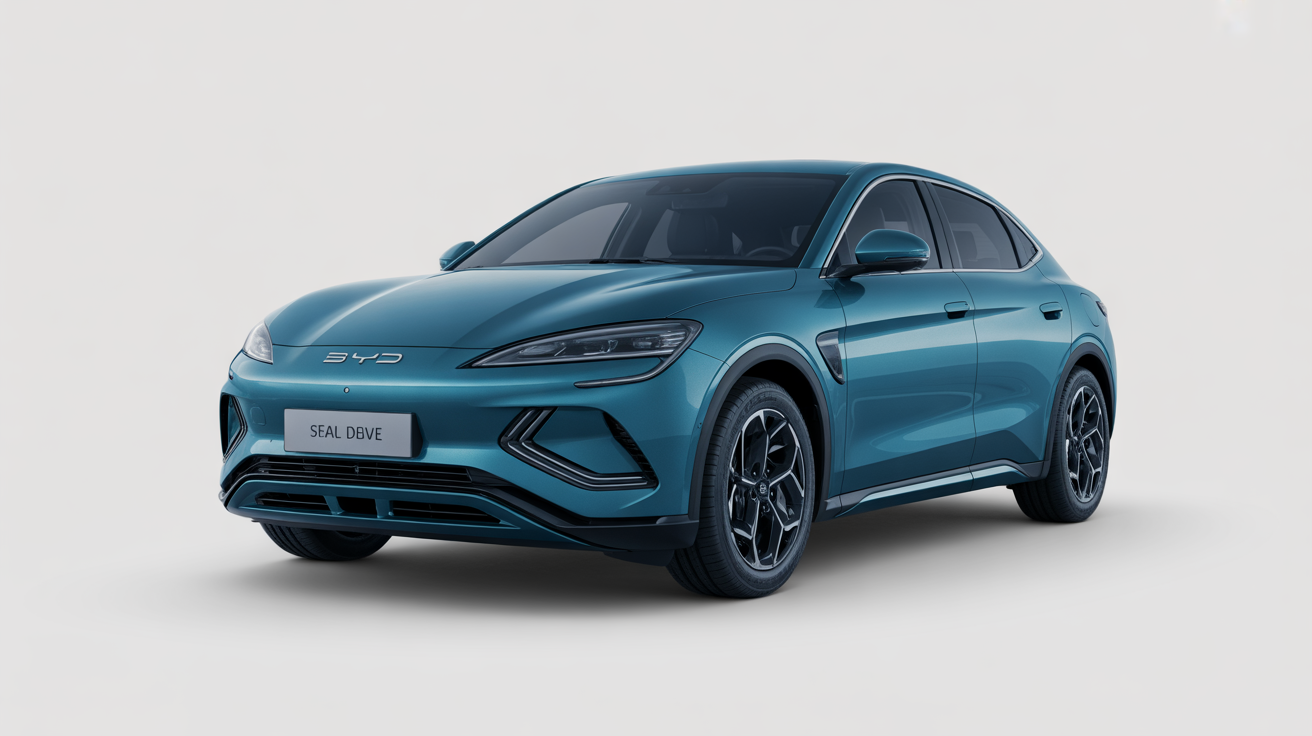
BYD Seal
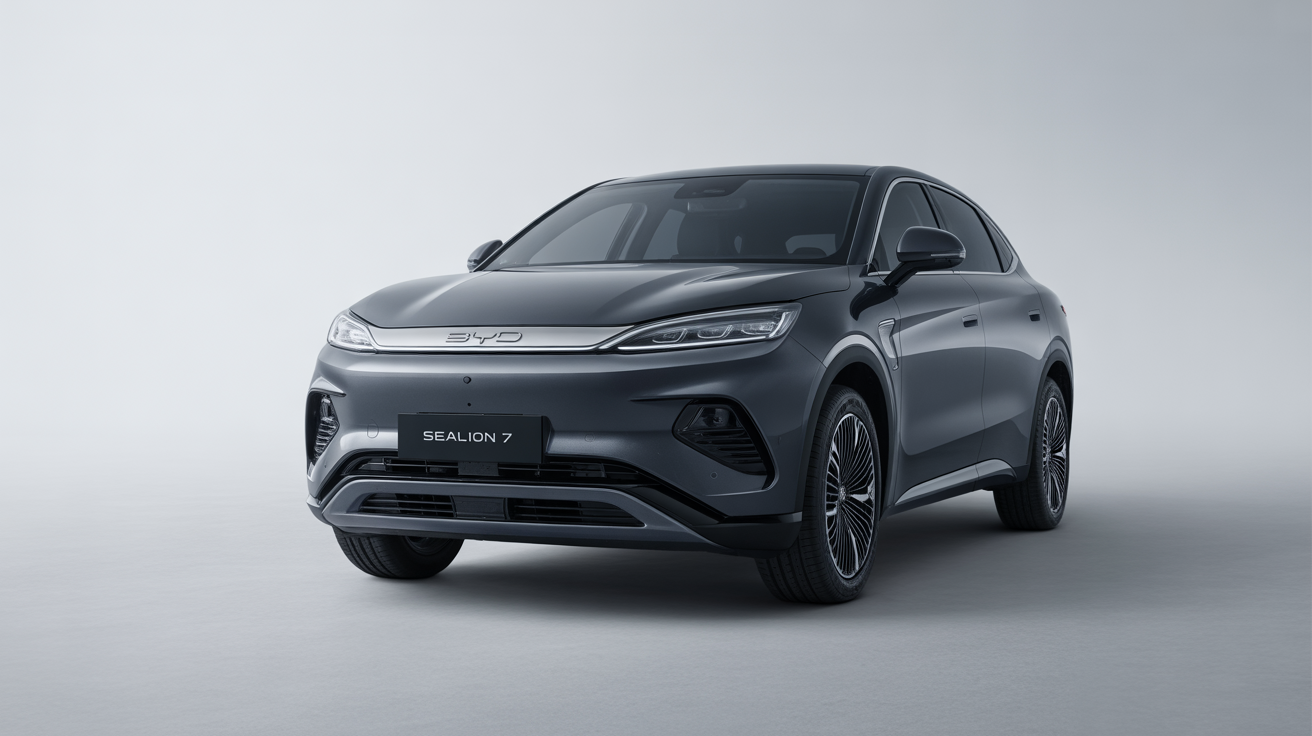
BYD Sealion 7
*Prices are indicative and may vary depending on variant, optional equipment, taxes and location.
Among the most popular BYD models in India are the Atto 3, Sealion 7 and Seal, while the eMAX 7 offers a more practical MPV-oriented alternative.
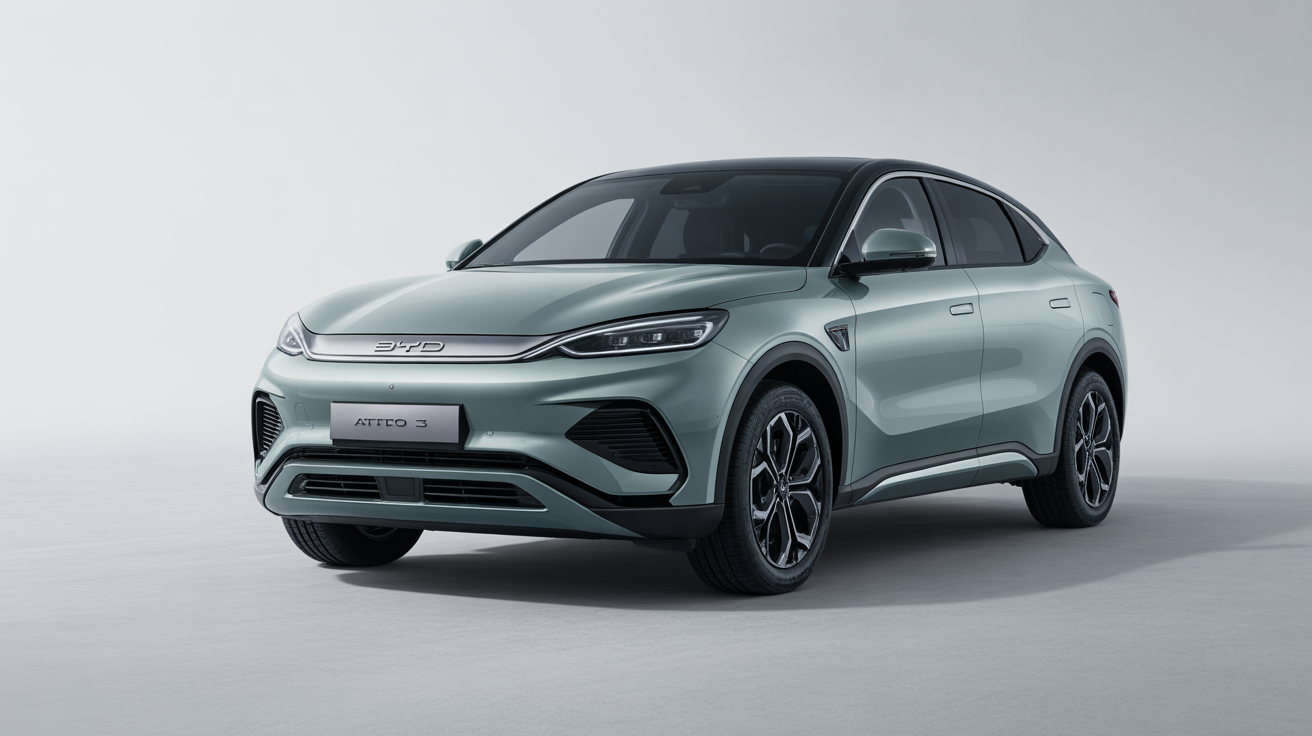
BYD Atto 3
The BYD Atto 3 is the entry point to the brand's current Indian passenger-car lineup. It is an electric SUV designed to combine everyday usability with modern styling, connected features and zero-emission driving.
The Atto 3 is priced between approximately ₹24.99 Lakh and ₹34.49 Lakh ex-showroom, depending on the variant.
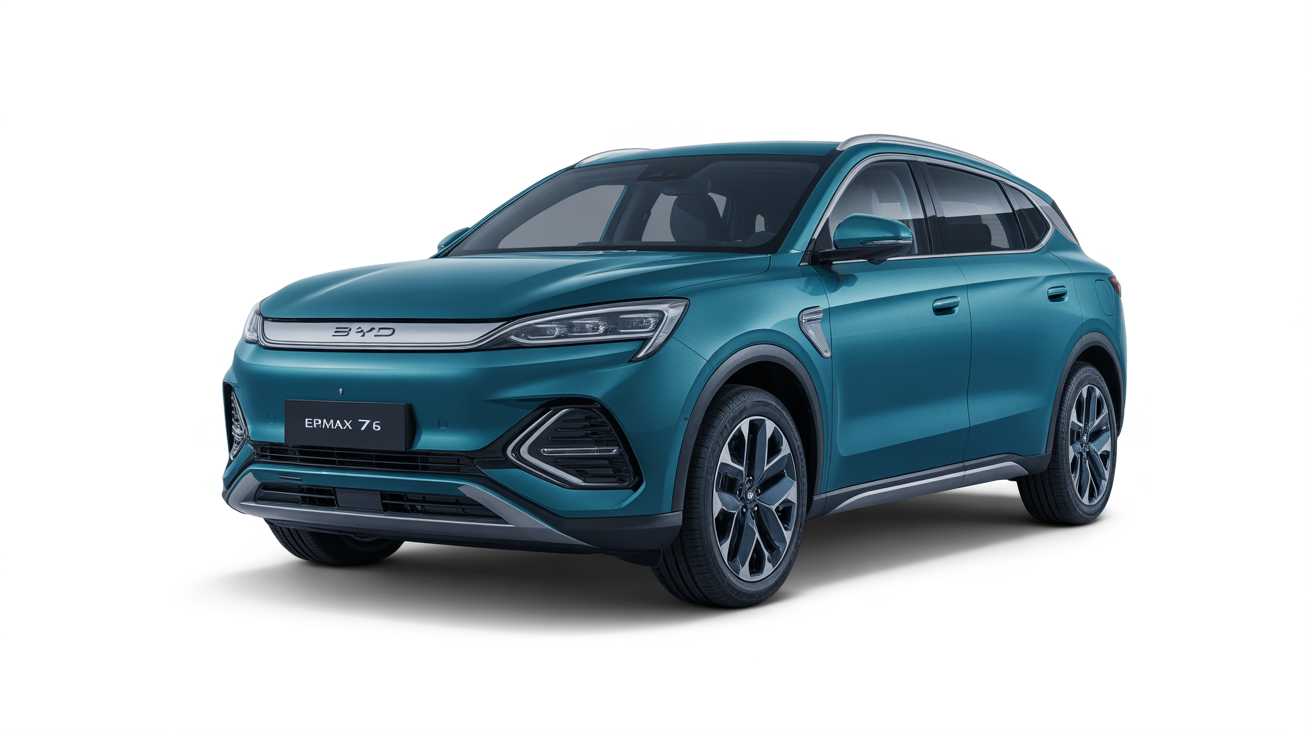
BYD eMAX 7
The BYD eMAX 7 is an electric MPV aimed at customers looking for additional cabin space and practicality. Its three-row layout makes it particularly suitable for family-oriented buyers who want an electric vehicle with greater passenger-carrying capability.
The eMAX 7 is priced at approximately ₹26.90 Lakh to ₹29.90 Lakh ex-showroom.
BYD Seal
The BYD Seal is an electric sedan that focuses on performance, technology and premium design. It sits higher in the BYD lineup than the Atto 3 and offers a more performance-oriented alternative for customers interested in an electric sedan.
The Seal is available in India at an indicative price of ₹41.50 Lakh to ₹53.65 Lakh ex-showroom.
BYD Sealion 7
The BYD Sealion 7 is positioned as a premium electric SUV and is currently the most expensive model in BYD's Indian range. It combines an SUV body style with an advanced electric powertrain, premium features and a technology-focused cabin.
The Sealion 7 is priced between approximately ₹49.90 Lakh and ₹55.90 Lakh ex-showroom.
BYD: From Batteries to Electric Mobility
BYD, short for Build Your Dreams, is a multinational technology company with operations spanning automobiles, electronics, new energy and rail transit.
Founded in 1995, the company initially developed expertise in rechargeable battery technology before expanding into renewable energy and electric transportation. Its focus on battery technology has played a major role in BYD's expansion into the global electric vehicle market.
BYD has developed solutions across the electric mobility and energy sectors, including electric vehicles, batteries, energy storage systems and electric buses. The company has expanded its operations to numerous international markets and has become a major name in the global EV industry.
BYD's Entry into India's Electric Vehicle Market
BYD has had a presence in India for several years, initially establishing operations in the country's electronics manufacturing sector. The company later expanded its activities into electric mobility.
In 2013, BYD entered India's electric-bus market with the BYD K9, a fully electric bus. Its electric buses have subsequently been deployed across multiple Indian cities.
BYD also introduced the e6 electric MPV in India in 2021, initially targeting the business and fleet market. The model featured a large battery pack and was designed for practical electric mobility.
The company's passenger-car portfolio has since expanded with models such as the Atto 3, Seal, eMAX 7 and Sealion 7.
BYD's Electric Vehicle Technology
Battery technology remains a key part of BYD's identity. The company develops its own battery and electric-vehicle technologies, allowing it to integrate various components of the electric mobility ecosystem.
BYD is particularly associated with its Blade Battery, a lithium-iron-phosphate battery technology designed with an emphasis on safety, durability and efficient packaging.
This focus on in-house technology has helped BYD build a strong position in the rapidly expanding global EV market.
BYD's Global Presence
BYD has grown from a battery manufacturer into a diversified technology and mobility company with operations across international markets. Its business interests include electric passenger cars, commercial vehicles, batteries, energy storage and rail transportation.
The company has expanded its electric vehicle operations across Asia, Europe, South America, Australia and other global markets, making it one of the major players in the international EV industry.
FAQs